
Pelvic Power & Care: A Self-Care Journey for Women with Pelvic Floor Prolapse (Hypotonic and Hypertonic)
Included:
Understanding Pelvic Floor Prolapse: A Comprehensive Guide
Self-Assessment: Discovering Your Pelvic Floor Type
Nourishing Your Body: Diet and Lifestyle for Pelvic Health
Restorative Exercises: Strengthening and Relaxing
Welcome to "Pelvic Power: A Self-Care Journey for Women with Pelvic Floor Prolapse (Hypotonic and Hypertonic)." This book is your guide to understanding, managing, and thriving despite the challenges of pelvic floor prolapse. Whether you've recently been diagnosed, have been living with this condition for some time, or are simply seeking more information, you've come to the right place. This book aims to give you the power to take back control of your body
Pelvic floor prolapse,
A condition where the pelvic organs descend from their normal position, can significantly impact a woman's quality of life. Symptoms can range from mild discomfort to debilitating pain, affecting everything from bladder and bowel function to sexual intimacy and overall confidence. What many women don't realize is that prolapse is a complex condition with different underlying causes and presentations. One of the most crucial distinctions to understand is the difference between hypotonic and hypertonic pelvic floor dysfunction.
A hypotonic pelvic floor refers to a weakened pelvic floor, often resulting from childbirth, aging, or inactivity. This weakness can lead to prolapse due to inadequate support for the pelvic organs. On the other hand, a hypertonic pelvic floor involves muscles that are overly tight and tense. While it might seem counterintuitive, this tightness can also contribute to prolapse by creating imbalances within the pelvic structure and restricting proper blood flow. It’s also possible for a woman to have both hypotonic and hypertonic issues within the pelvic floor muscles.
This book recognizes that a one-size-fits-all approach doesn't work for pelvic floor prolapse. Therefore, it offers a comprehensive self-care plan tailored to the specific needs of women with both hypotonic and hypertonic pelvic floors. We will guide you through assessing your pelvic floor type, understanding the contributing factors to your condition, and implementing practical strategies to strengthen, relax, and support your pelvic floor.
Beyond physical exercises, this book emphasizes the importance of a holistic approach to self-care. We will explore the role of nutrition in supporting pelvic health, the impact of stress on the pelvic floor, and the power of the mind-body connection in promoting healing and well-being. We will also provide guidance on making lifestyle modifications to minimize strain on your pelvic floor and maximize your comfort and function.
This book is not intended to replace the advice of your healthcare provider. Instead, it is designed to empower you to become an active participant in your own care. We encourage you to work closely with your doctor, physical therapist, or other qualified healthcare professionals to develop a personalized treatment plan that meets your unique needs.
Within these pages, you will find evidence-based information, practical exercises, and compassionate support. We hope this book will serve as a valuable resource on your journey to reclaim your pelvic power, regain your confidence, and live a fulfilling life, free from the limitations of pelvic floor prolapse. We are confident that with knowledge, dedication, and self-compassion, you can improve your symptoms, enhance your quality of life, and rediscover the strength and resilience within yourself
Chapter 1: Understanding Pelvic Floor Prolapse: A Comprehensive Guide
Pelvic floor prolapse (PFP) is a prevalent condition affecting millions of women worldwide. Despite its commonality, it often remains a topic shrouded in silence and misunderstanding. This chapter aims to demystify PFP by providing a comprehensive overview of the condition, its causes, symptoms, diagnosis, and treatment options.
What is Pelvic Floor Prolapse?
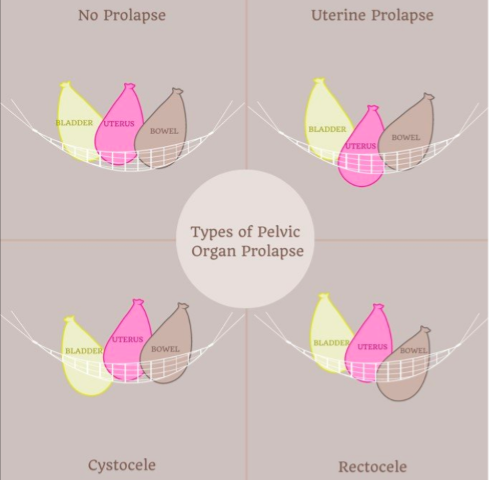
The pelvic floor is a group of muscles, ligaments, and tissues that support the organs within the pelvis, including the bladder, uterus, vagina, and rectum. These structures act like a hammock, preventing these organs from descending or prolapsing into the vaginal canal. When the pelvic floor weakens or becomes damaged, it can no longer provide adequate support, leading to prolapse.
Prolapse occurs when one or more of these organs drops down from their normal position and protrudes into the vagina. The severity of prolapse can vary, ranging from mild descent that causes no symptoms to severe prolapse where the organ protrudes outside the vaginal opening. There are several types of prolapse, depending on which organ is involved:
Cystocele: Prolapse of the bladder into the vagina.
Rectocele: Prolapse of the rectum into the vagina.
Uterine Prolapse: Prolapse of the uterus into the vagina.
Vaginal Vault Prolapse: Prolapse of the top of the vagina, often occurring after a hysterectomy.
Enterocele: Prolapse of the small intestine into the vagina.
When support feels a little low
(Often described as a softer or under-active pelvic floor)
☐ A sense of heaviness, fullness, or gentle dragging
☐ Little leaks when laughing, coughing, sneezing, or moving
☐ Symptoms that feel more noticeable as the day goes on
☐ A feeling that internal support isn’t quite what it once was
☐ Difficulty fully emptying the bladder or bowels
☐ Discomfort after long periods of standing or activity.
When things feel held or tense
(Often described as an over-tight pelvic floor)
☐ Ongoing pelvic tension, aching, or discomfort
☐ Pain or discomfort with penetration, exams, or tampon use
☐ Difficulty starting or fully emptying the bladder or bowels
☐ A sense of gripping, clenching, or holding without realising
☐ Symptoms that flare during stress or emotional overwhelm
☐ Tightness that doesn’t fully soften, even when resting.
A Floored & Fabulous reassurance
Many women experience both softness and tension within the pelvic floor — sometimes at the same time. This is more common than you’ve been led to believe.
Nothing here means you’ve failed your body.
Awareness is not criticism — it’s the beginning of care.
You don’t need to act on this today. Noticing is more than enough.
Causes and Risk Factors:
Several factors can contribute to the development of pelvic floor prolapse. These include:
Childbirth: Pregnancy and childbirth are significant risk factors, particularly vaginal deliveries. The stretching and straining of the pelvic floor muscles during labor can weaken them and increase the risk of prolapse.
Aging: As women age, the levels of estrogen decrease, leading to a weakening of the pelvic floor tissues.
Genetics: Some women are genetically predisposed to having weaker pelvic floor tissues.
Obesity: Excess weight can put added strain on the pelvic floor, increasing the risk of prolapse.
Chronic Coughing: Chronic coughing from conditions like asthma or chronic obstructive pulmonary disease (COPD) can increase intra-abdominal pressure, leading to pelvic floor weakening.
Chronic Constipation: Straining during bowel movements can also weaken the pelvic floor.
Heavy Lifting: Repetitive heavy lifting can put excess strain on the pelvic floor muscles.
Hysterectomy: Removal of the uterus can weaken the support of the vagina, increasing the risk of vaginal vault prolapse.
Symptoms of Pelvic Floor Prolapse:
The symptoms of PFP can vary depending on the type and severity of the prolapse. Common symptoms include:
A feeling of pressure or fullness in the vagina or pelvis.
A sensation of sitting on a ball.
A bulge protruding from the vagina.
Difficulty emptying the bladder or bowel.
Urinary incontinence (leakage of urine).
Fecal incontinence (leakage of stool).
Frequent urinary tract infections (UTIs).
Painful intercourse.
Lower back pain.
Diagnosis of Pelvic Floor Prolapse:
PFP is typically diagnosed during a pelvic exam by a healthcare provider. During the exam, the provider will assess the position of the pelvic organs and identify any prolapse. They may also ask about your symptoms and medical history. In some cases, additional tests may be needed, such as:
Pelvic Ultrasound: To visualize the pelvic organs.
Cystoscopy: To examine the bladder.
Defecography: To assess bowel function.
Treatment Options for Pelvic Floor Prolapse:
The treatment options for PFP depend on the severity of the prolapse and the woman's individual preferences. Treatment options include:
Lifestyle Modifications: Avoiding heavy lifting, managing constipation, and maintaining a healthy weight can help prevent the progression of prolapse.
Pelvic Floor Exercises (Kegels): Strengthening the pelvic floor muscles can provide support for the pelvic organs and improve symptoms.
Pessary: A pessary is a removable device that is inserted into the vagina to support the pelvic organs.
Surgery: Surgery may be recommended for severe prolapse or when other treatments have failed. Surgical options include repairing the prolapsed organ or using mesh to provide additional support.
Understanding PFP is the first step toward managing and improving your symptoms. In the following chapters, we will delve deeper into self-care strategies for women with both hypotonic and hypertonic pelvic floors

Chapter 3: Nourishing Your Body: Diet and Lifestyle for Pelvic Health
While pelvic floor exercises are crucial for strengthening and supporting your pelvic floor, diet and lifestyle choices play a significant role in overall pelvic health. This chapter explores how to nourish your body with foods and habits that promote pelvic floor function, reduce inflammation, and support healthy bowel and bladder habits.
The Importance of Nutrition for Pelvic Health:
Inflammation: Chronic inflammation can weaken pelvic floor tissues and contribute to prolapse. An anti-inflammatory diet can help reduce inflammation and support tissue healing.
Constipation: Constipation can strain the pelvic floor muscles and worsen prolapse symptoms. A high-fiber diet can promote regular bowel movements and reduce straining.
Weight Management: Maintaining a healthy weight reduces the strain on the pelvic floor and supports overall pelvic health.
Nutrient Deficiencies: Certain nutrient deficiencies, such as vitamin D, can weaken muscles and tissues, including those in the pelvic floor.
Collagen Production: Collagen is a protein that provides structure and support to tissues throughout the body, including the pelvic floor. Adequate collagen production is essential for maintaining pelvic floor strength and elasticity.
Foods to Include in Your Diet:
High-Fiber Foods: Fruits, vegetables, whole grains, and legumes are excellent sources of fiber, which promotes regular bowel movements and prevents constipation. Aim for at least 25-30 grams of fiber per day.
Anti-Inflammatory Foods: Fatty fish (salmon, tuna, mackerel), olive oil, nuts, seeds, and colorful fruits and vegetables are rich in antioxidants and anti-inflammatory compounds.
Lean Protein: Protein is essential for building and repairing tissues, including those in the pelvic floor. Choose lean sources of protein, such as chicken, fish, beans, and lentils.
Calcium-Rich Foods: Dairy products, leafy green vegetables, and fortified foods are good sources of calcium, which is important for bone health and muscle function.
Vitamin D-Rich Foods: Fatty fish, egg yolks, and fortified foods are good sources of vitamin D, which is essential for muscle strength and immune function.
Collagen-Boosting Foods: Bone broth, chicken skin, and citrus fruits are rich in collagen or nutrients that support collagen production.
Foods to Limit or Avoid:
Processed Foods: Processed foods are often high in sugar, salt, and unhealthy fats, which can contribute to inflammation and weight gain.
Sugary Drinks: Sugary drinks can contribute to weight gain and inflammation.
Caffeine: Caffeine can irritate the bladder and worsen urinary incontinence symptoms.
Alcohol: Alcohol can also irritate the bladder and worsen urinary incontinence symptoms.
Spicy Foods: Spicy foods can irritate the bladder in some individuals.
Lifestyle Modifications for Pelvic Health:
Maintain a Healthy Weight: Excess weight puts added strain on the pelvic floor.
Stay Hydrated: Drinking plenty of water helps prevent constipation and bladder irritation. Aim for at least 8 glasses of water per day.
Practice Good Bowel Habits: Avoid straining during bowel movements. Use a stool to elevate your feet and straighten your spine, which can make it easier to empty your bowels.
Quit Smoking: Smoking can damage tissues and increase the risk of prolapse.
Manage Stress: Chronic stress can contribute to pelvic floor tension and pain.
Lift Properly: When lifting heavy objects, bend your knees and keep your back straight to avoid straining your pelvic floor.
Be Mindful of Posture: Good posture can help reduce strain on your pelvic floor.
Specific Considerations for Hypotonic vs. Hypertonic Pelvic Floor:
Hypotonic: Focus on protein intake to support muscle building and repair.
Hypertonic: Incorporate more magnesium-rich foods, such as leafy green vegetables, nuts, and seeds, to help relax muscles

Chapter 4: Restorative Exercises- Strengthening and Releasing
This chapter provides a detailed guide to restorative exercises specifically designed for women with pelvic floor prolapse, considering both hypotonic and hypertonic pelvic floor dysfunction. The goal is to provide exercises that are safe, effective, and adaptable to individual needs. Remember to consult with a pelvic floor physical therapist before starting any new exercise program.
General Guidelines for Pelvic Floor Exercises:
Proper Form: Focus on proper form and technique to ensure you are engaging the correct muscles and avoiding injury.
Breathing: Coordinate your breathing with your exercises. Inhale deeply and exhale slowly during each repetition.
Progression: Start slowly and gradually increase the intensity and duration of your exercises as you get stronger.
Consistency: Consistency is key to seeing results. Aim to perform your exercises regularly, ideally several times per week.
Listen to Your Body: If you experience pain, stop the exercise and consult with a healthcare professional.
Exercises for Hypotonic Pelvic Floor (Strengthening):
Kegel Exercises:
How to: Imagine you are trying to stop the flow of urine midstream or prevent passing gas. Squeeze and lift your pelvic floor muscles. Hold the contraction for a few seconds, then relax.
Progression: Start with holding the contraction for 2-3 seconds and gradually increase to 10 seconds. Perform 10-15 repetitions, 2-3 times per day.
Variations:
Quick Kegels: Squeeze and release the muscles quickly.
Long Kegels: Hold the contraction for a longer period of time.
Bridge Exercise:
How to: Lie on your back with your knees bent and feet flat on the floor. Engage your core and pelvic floor muscles, then lift your hips off the floor, creating a straight line from your shoulders to your knees. Hold for a few seconds, then lower back down.
Progression: Start with holding the bridge for 2-3 seconds and gradually increase to 10 seconds. Perform 10-15 repetitions.
Clam Shells:
How to: Lie on your side with your knees bent and your hips stacked. Keep your feet together and slowly lift your top knee, keeping your hips stable.
Progression: Start with 10-15 repetitions.
Happy baby
Lie on your back, bring your knees towards your chest. Hold the outside of your feet with your hands, or hold your big toes if that's more comfortable. Open your knees slightly wider than your hips and gently pull them towards you.. Keep your heels stacked over your knees and flex your feet. Relax your lower back and let it press into the floor. Gently rock from side to side for a gentle massage.
Now that you have some tools and techniques, it's time to put them into practice


Floored & Fabulous
A quiet place created to support women living with pelvic organ prolapse.
Every woman should feel understood…
If you’ve found comfort, encouragement or something helpful during your visit and would like to help another woman find the same comfort you’ve found here, you’re welcome to do so.
Be part of another woman’s path to feeling understood
Privacy Policy • Contact • Terms
© 2026 Floored & Fabulous